Keep control

The end of the website centric internet

planeed

planeed.app

@type
Organization
description
Root node for planeed.app
logo
https://planeed.app/wp-content/uploads/2026/02/planeed-logo.png
sameAs
https://planeed.app/
https://www.linkedin.com/company/planeed
https://www.facebook.com/app.planeed
https://www.instagram.com/planeed.app/
foundingDate
2022-01-01
http://schema.org/url
https://planeed.app
http://schema.org/subjectOf
@id:
#website-26
@id
https://planeed.org/planeedapp

Semantic Brand Architecture

@type
DefinedTerm
description
Von planeed geprägte Marketingdisziplin, die die digitale Markenpräsenz als strukturiertes, maschinenlesbares Wissenssystem für KI-basierte Discovery-Umgebungen (ChatGPT, Perplexity, Gemini, Claude) aufbaut.
alternateName
SBA
Semantische Markenarchitektur
Semantic Brand Hub
Definition
Semantic Brand Architecture beschreibt den strategischen Ansatz, eine Marke nicht länger primär für menschliche Websitebesucher und Suchmaschinen-Rankings zu strukturieren, sondern für KI-Systeme, die Inhalte crawlen, verstehen und in generativen Antworten zitieren oder empfehlen. Grundgedanke ist, dass klassisches SEO auf Klicks und Traffic zur eigenen Website optimiert, während KI-Assistenten Informationen bündeln und direkt als Antwort ausgeben – die Website verschiebt sich damit von der Trafficdestination zur kanonischen Verifikationsebene für Fakten über eine Marke. planeed übersetzt dieses Konzept in eine strukturierte Methodik: Über die Extraktion eines Topic Graphen (mittels Branchentest, Wettbewerbertest und Erweiterungstest) werden die relevanten Themenfelder einer Marke identifiziert und in ein Knowledge Graph-Schema mit klar definierten Entitätstypen (u.a. Parent Topics, Child Topics, Personen/Experten, Produkte, Claims und Evidence) sowie Schema.org/SKOS-kompatiblen Beziehungen überführt. Ziel ist es, Marken als vertrauenswürdige, konsistente und maschinenlesbare Wissensquelle zu positionieren, sodass sie in KI-generierten Antworten als "bekannt, vertraut, empfohlen" erscheinen. Damit verschiebt sich auch die Erfolgsmessung: weg von klassischen Traffic-KPIs, hin zu Share of Model Voice und Zitationsgenauigkeit als zentralen Kennzahlen für digitale Sichtbarkeit im KI-Zeitalter.
@id
https://planeed.org/planeedapp/topics/semantic-brand-architecture

Knowledge Graphs

@type
DefinedTerm
description
Child Topic innerhalb der Semantic Brand Architecture, das sich mit dem technischen Aufbau, der Entitäts- und Beziehungsstruktur sowie den Standards maschinenlesbarer Wissensgraphen für Marken befasst.
keywords
Entitätsschema
Edge-Definitionen
Schema.org
SKOS
JSON-LD
Graphstruktur
Root Node/Parent/Child Topic
Semantische Verknüpfung
disambiguatingDescription
Knowledge Graphs behandelt die technisch-strukturelle Ebene der Semantic Brand Architecture: die konkrete Modellierung von Markenwissen als vernetztes Graphsystem aus Entitäten und deren Beziehungen zueinander. Während Brand Knowledge Management den organisatorischen Prozess der Wissenspflege beschreibt, fokussiert dieses Themenfeld auf die zugrunde liegende Datenarchitektur selbst: das Entitätsschema mit sieben Typen – Root Node, Parent Topic, Child Topic, Person/Experte, Produkt, Claim und Evidence – sowie ein Set von vierzehn definierten Edge-Typen, die diese Entitäten nach Schema.org- und SKOS-Vokabular sinnvoll miteinander verknüpfen (z.B. über Properties wie about oder subjectOf für die Verbindung von Evidence zu Topics). Zentrale gestalterische Entscheidungen in diesem Themenfeld betreffen etwa die klare Trennung von Keywords und Alternate Names als eigenständige Felder, die bewusste Vermeidung redundanter Person-zu-Person-Verknüpfungen sowie die Bevorzugung einer möglichst flachen Graphstruktur gegenüber tief verschachtelten Hierarchien, um Navigierbarkeit und maschinelle Auswertbarkeit zu erhalten. Durch den Export als strukturierte Daten (etwa JSON-LD) wird der Knowledge Graph zur technischen Grundlage, auf der KI-Systeme Markeninformationen zuverlässig erfassen, verknüpfen und in generierten Antworten korrekt wiedergeben können. Damit bildet dieses Themenfeld das methodisch-technische Rückgrat, auf dem sowohl Brand Knowledge Management als auch AI Visibility aufbauen.
@id
https://planeed.org/planeedapp/topics/knowledge-graphs

Relations of Knowledge Graphs

planeed Graph

@type
Product
@id
https://planeed.org/planeedapp/products/planeed-graph

Relations of planeed Graph

Blogbeitrag | The Legal Layer of AI visibility

@type
BlogPosting
description
Blogartikel von planeed (02.05.2026) im Themenfeld Knowledge Graphs, der die rechtliche Haftungsdimension strukturierter Daten und Knowledge Graphs als bislang unadressierte "Legal Layer of AI Visibility" einführt.
url
https://planeed.app/brand-architecture-insights/the-legal-layer-of-ai-visibility/
PublishDate
2026-05-02
disambiguatingDescription
Der Artikel argumentiert, dass strukturierte Daten, Knowledge Graphs und Entitätsbeziehungen zwar zunehmend als technische Voraussetzung für KI-Sichtbarkeit verstanden werden, dabei aber eine zentrale Frage übersehen wird: Wer trägt die Verantwortung dafür, was KI-Systeme aus diesen Strukturen ableiten? Kern des Artikels ist die Beobachtung, dass semantische Graphen nicht neutral beschreiben, sondern Beziehungen zwischen Entitäten, Autoritäts- und Relevanzhierarchien sowie implizite Aussagen über Expertise und Vertrauenswürdigkeit kodieren – Entscheidungen, die von Autoren selten in ihrer vollen Tragweite antizipiert werden. Daraus leitet der Artikel das Konzept des "Interpretation Risk" ab: Ein Risiko, das nicht entsteht, weil die veröffentlichten Daten falsch sind, sondern weil ihre Bedeutung extern von Systemen konstruiert wird, die der Publisher nicht kontrolliert – die eigenen Daten mögen korrekt sein, die daraus gezogenen Schlussfolgerungen jedoch nicht, und genau in dieser Lücke entsteht Haftung. Der Artikel zeigt anhand von Beispielen (Verknüpfung eines Expertennamens mit einem Thema, Assoziation eines Produkts mit einer Gesundheitsaussage, Definition einer Hierarchie zwischen Konzepten), wie technische Strukturierungsentscheidungen für KI-Systeme zu Autoritätssignalen werden und ungewollt zur Markenerzählung werden – ohne die Rücknahmemöglichkeit einer klassischen Pressemitteilung. Da bestehende Rechtsrahmen von expliziter Autorenschaft und nachvollziehbarer menschlicher Verantwortung ausgehen, entsteht eine strukturelle Lücke ohne klare rechtliche Governance für KI-Interpretation. Als Lösung stellt planeed die "Legal Layer of AI Visibility" als Governance-Rahmenwerk vor, das definiert, was Daten repräsentieren (und explizit nicht repräsentieren), wer für die Interpretation verantwortlich ist und wie Risiko bei KI-generierten Ausgaben verteilt wird – operationalisiert über drei Komponenten: Semantic Responsibility (Validierung von Entitätsbeziehungen vor Veröffentlichung), Controlled Publication (Behandlung jeder Veröffentlichung als permanenten, nicht rücknehmbaren Akt) und Explicit Risk Framing (dokumentierte Positionen dazu, was nicht garantiert wird). Der Artikel zieht die Parallele zu Datenschutz (DSGVO) und Sicherheitsstandards (ISO) als Vorläufer künftiger Standards für semantische Verantwortlichkeit und schließt mit der These, dass nicht die Frage "Wie werden wir in KI sichtbar?", sondern "Was machen wir sichtbar, und wer kontrolliert dessen Bedeutung?" die entscheidende Frage der kommenden Jahre sei.
@id
https://planeed.org/planeedapp/content/blogbeitrag-the-legal-layer-of-ai-visibility

Relations of Blogbeitrag | The Legal Layer of AI visibility

Blogbeitrag | The end of the website centric internet

@type
BlogPosting
description
Blogartikel von planeed (04.04.2026) im Themenfeld Knowledge Graphs, der den Übergang von einem website-zentrierten zu einem wissenszentrierten Internet beschreibt und "Entity Building" als neue, KI-gerichtete Branding-Ebene einführt.
url
https://planeed.app/brand-architecture-insights/the-end-of-the-website-centric-internet/
PublishDate
2026-04-04
disambiguatingDescription
Der Artikel beschreibt einen fundamentalen Strukturwandel des Internets: weg vom website-zentrierten Modell, in dem die eigene Website Zentrum von Information, Branding und Konversion war, hin zu einem wissenszentrierten Internet, in dem KI-Systeme als neue Gatekeeper zwischen Nutzern und Unternehmen treten. Statt des alten Flusses "Nutzer → Google → Website → Unternehmen" beschreibt der Artikel den neuen Fluss "Nutzer → KI → Quellen → synthetisierte Antwort → Unternehmen (vielleicht)", bei dem Nutzer die ursprüngliche Quelle oft nie besuchen. Daraus leitet sich das scheinbar paradoxe Phänomen "Visibility Without Clicks" ab: Ein Unternehmen kann hochgradig sichtbar sein und Nutzerentscheidungen beeinflussen, ohne dass dabei Website-Traffic entsteht – Einfluss verschiebt sich von "wer bekommt den Klick" zu "wer prägt die Antwort". Zentral für den Artikel ist, dass KI-Systeme das Internet nicht als Websites, sondern als Entitäten, Beziehungen und strukturierte Information verstehen – etwa Company→offers→Product oder Company→solves→Problem –, und je klarer und konsistenter diese Beziehungen im Netz auftreten, desto leichter können KI-Systeme ein Unternehmen im richtigen Kontext erfassen und abrufen. Darauf aufbauend führt der Artikel den Begriff "Entity Building" als zweite Branding-Ebene neben klassischem, wahrnehmungsbasiertem Branding ein: die konsistente Definition von Unternehmen, Produkt, Kategorie und gelöstem Problem über viele Plattformen hinweg, damit ein Unternehmen zu einem stabilen Knoten im Knowledge Graph wird. Der Artikel betont zudem, dass künftig weniger relevant ist, wo etwas publiziert wird, sondern dass dieselbe strukturierte Wissensbasis konsistent an vielen Stellen erscheint ("Knowledge Distribution Management" statt Kampagnenmanagement), und schließt mit dem direkten Verweis, dass genau dies der Ansatz von planeed sei.
@id
https://planeed.org/planeedapp/content/blogbeitrag-the-end-of-the-website-centric-internet

Relations of Blogbeitrag | The end of the website centric internet

Bernhard Liebl, M.Sc.

@type
Person
description
For years, I worked in digital strategy and marketing and kept noticing the same pattern: Brands produce more and more content — but their authority doesn’t compound. Campaigns perform. Channels grow. Yet everything remains rather fragmented. At some point, we at planeed realized the real problem isn’t output. It’s structure. Search, AI and digital ecosystems evaluate entities and relationships. However, most organizations still communicate in silos. That insight led us to develop planeed. What planeed is - The missing layer in modern brand architecture. planeed is a SaaS platform that adds a semantic architecture layer to your brand communication. It does not replace channels. It standardizes how they connect. I believe the next competitive advantage won’t come from producing more content, but from structuring it intelligently. If you’re rethinking how your brand builds long-term authority, I’m always open to exchanging perspectives.
email
hello@planeed-app.com
image
https://planeed.app/wp-content/uploads/2026/06/bernhard-liebl.png
jobTitle
Co-Founder & CEO
url
https://www.linkedin.com/in/bernhard-liebl/
@id
https://planeed.org/planeedapp/people/bernhard-liebl-msc

Relations of Bernhard Liebl, M.Sc.

Dr. Aly Sabri

@type
Person
description
Dr. Aly Sabri works on structural questions at the intersection of communication, systems design and digital interpretation - Semantic Brand Architecture. Trained in medicine at the University of Oxford and Harvard University, where his academic focus included neural networks and computational models, he developed an early interest in how complex systems process meaning, relationships and signals. He later founded Sabri - Medical Information Systems, a healthcare technology company acquired by General Electric. The experience reinforced a conviction that now defines his work: durable impact in complex environments is not achieved through optimization, but through architecture. A structural shift is underway. Digital systems - search engines, knowledge graphs, large language models - interpret entities and relational coherence. Most organizations, however, are still structurally built around campaigns, initiatives and functional silos. This is not a tooling gap. It is an architectural misalignment. His current work focuses on designing communication systems that operate as coherent semantic infrastructures - capable of generating semantic authority rather than episodic visibility.
email
hello@planeed-app.com
image
https://planeed.app/wp-content/uploads/2026/03/aly-new-1.png
jobTitle
Co-Founder & CSO
url
https://www.alysabri.com
@id
https://planeed.org/planeedapp/people/dr-aly-sabri

Relations of Dr. Aly Sabri

@type
WebSite
http://schema.org/url
https://planeed.app
http://schema.org/name
planeed.app
@id
#website-26

For a long time, a company’s digital strategy was relatively simple: Build a website, drive traffic to it, convert visitors into customers. The website was the center of everything — the place where information lived, where branding happened, where conversions happened and where marketing efforts ultimately led.


But the structure of the internet is changing again.
And this time, the change is deeper than most people think.


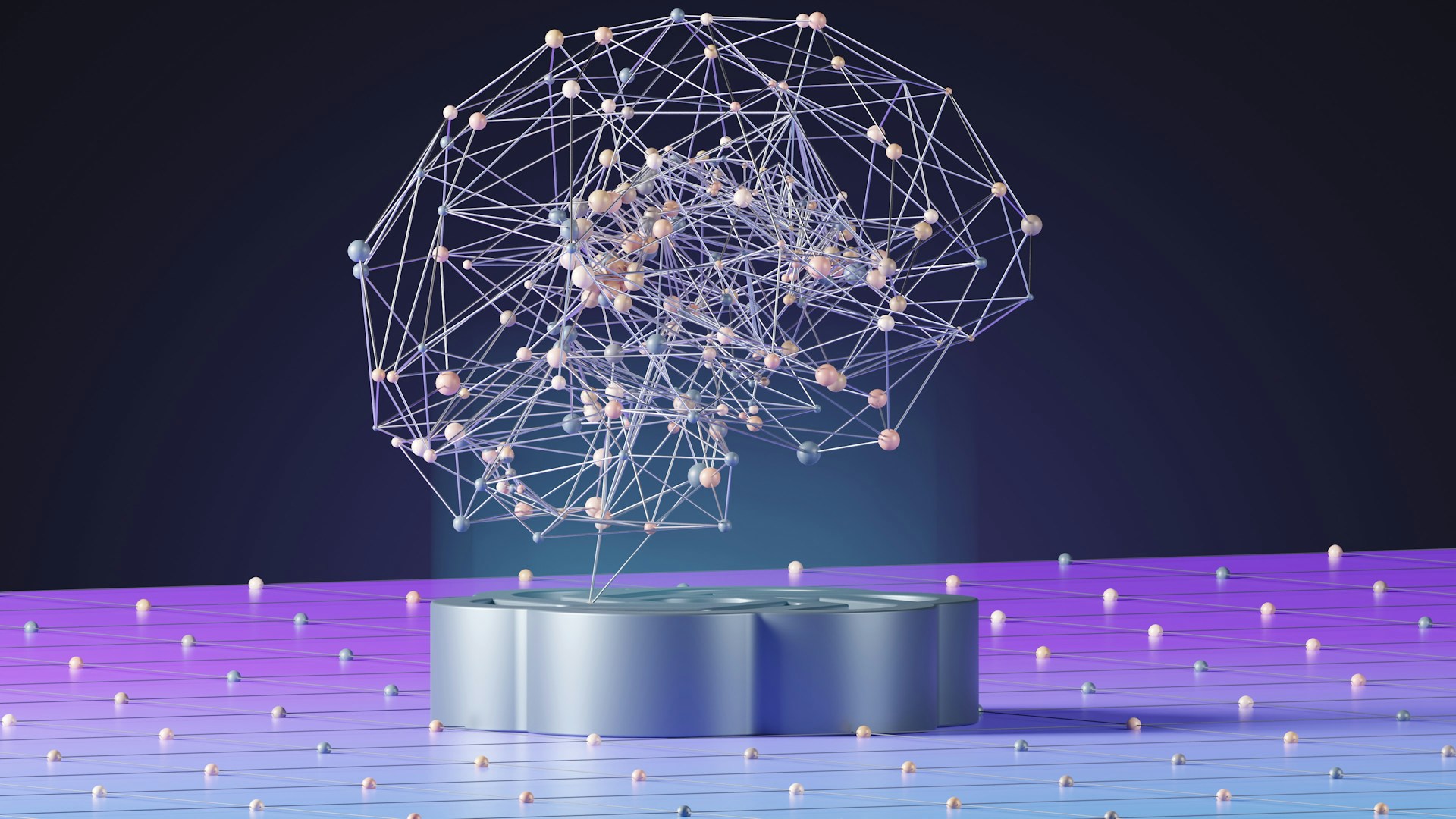
We are moving from a website-centric internet to a knowledge-centric internet. And AI systems are the reason why.

New layer

The New Gatekeepers Are Not Search Engines

For years, search engines were the gatekeepers of visibility. If you ranked high, you were visible. If you didn’t, you were invisible. Now, AI systems are becoming a new layer between users and companies. People no longer just search, they ask. And instead of clicking through ten links, they get one synthesized answer.


This changes the flow of attention on the internet:

Old flow: User → Google → Website → Company
New flow: User → AI → Sources → Synthesized Answer → Company (maybe)


The critical difference is that users often never visit the original source anymore. The AI becomes the interface and the sources become invisible infrastructure behind the answer.


This means companies must optimize for something new: Not just traffic, but inclusion in AI-generated answers.

Think different

Visibility Without Clicks

This creates a phenomenon that sounds paradoxical at first. You can be highly visible without getting traffic.


If an AI system uses your definition, your framework, your data, or your explanation to generate an answer, you influenced the user — even if the user never visited your website.


From a branding perspective, this is extremely important. Because influence is shifting from “who gets the click” to “who shapes the answer.”


In the past, marketing optimized for:

  • Impressions
  • Clicks
  • Sessions
  • Leads

In the future, companies will increasingly optimize for:

  • Mentions in AI answers
  • Being used as a source
  • Being associated with certain concepts
  • Being part of the AI’s internal knowledge representation


This is a completely different visibility model.

The hidden layer

Knowledge Graphs and Entities

AI systems don’t understand the internet the way humans do. They don’t see “nice websites” or “beautiful branding.” They see entities, relationships and structured information.

For example, from an AI perspective, a company is not just a website. It is an entity with relationships like:

  • Company → offers → Product
  • Company → operates in → Category
  • Company → solves → Problem
  • Company → uses → Method
  • Product → used by → Target group

The clearer and more consistent these relationships are across the internet, the easier it is for AI systems to understand and retrieve your company in the right context.

Own the structure. Own the authority.

So the strategic question becomes: Where and how does our company exist as a structured entity in the digital world?

And most companies don’t have a clear answer to this yet.

Second branding layer

From Branding to “Entity Building”

Traditionally, branding was about perception in the human mind: design, language, imagery, emotion, positioning. This still matters — but there is now a second layer of branding: How your company is represented in machine-readable knowledge systems. You can think of this as Entity Building.

Entity Building means:

  • clearly defining what your company is,
  • clearly defining what your product is,
  • clearly defining the category you operate in,
  • clearly defining the problems you solve,
  • and making these definitions consistent across many platforms.

Because AI systems build their understanding of the world by connecting these entities and relationships across many sources. If your company appears in many places with consistent definitions and relationships, you become a stable node in the knowledge graph. If not, you remain vague and vague entities are rarely retrieved.

Consistency matters

Distribution Becomes More Important Than the Website

In the future, it will be less important where you publish something and more important that the same structured knowledge appears consistently across many places.

Why? Because AI systems don’t rely on a single source. They build confidence through consistency across sources.

If the same company description, the same product definition and the same conceptual language appears across many independent platforms, the probability that AI systems will use this information increases significantly.

So marketing is starting to look less like campaign management and more like knowledge distribution management.

Become understandable

The Companies That Will Win in the AI Era

If this development continues – and all indicators suggest it will – the companies that benefit the most will not necessarily be the ones with:

  • the most ads,
  • the most social media posts,
  • or the most blog articles.

The winners will likely be the companies that:

  • define their category,
  • structure their knowledge,
  • win topic authority
  • and distribute their knowledge consistently across the digital ecosystem.

In other words, companies that are not just visible, but understandable. Because AI systems prefer sources that are easy to interpret, clearly structured and semantically consistent. Exactely what we do with planeed!